
Understanding responsible gaming key strategies for safe play in casinos
What is Responsible Gaming?
Responsible gaming refers to the practice of gambling in a way that minimizes the risk of developing harmful behaviors. It emphasizes the importance of maintaining control while enjoying casino games. Recognizing the fine line between entertainment and addiction is crucial for ensuring that gambling remains a fun activity rather than a source of stress or financial trouble. Many players, for instance, explore options available in the online casino sector, to enhance their gaming enjoyment without exceeding their limits.
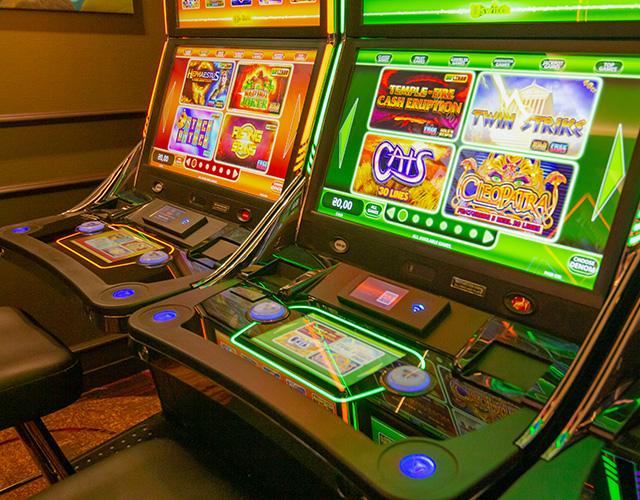
The principles of responsible gaming advocate for self-awareness and personal responsibility. Players are encouraged to understand their limits, both in terms of time spent and money spent. By fostering an environment of accountability, individuals can enjoy the thrill of gaming while safeguarding their well-being.
Setting Personal Limits
Establishing personal limits is one of the cornerstone strategies for responsible gaming. This involves deciding in advance how much time and money you are willing to dedicate to gambling activities. By setting these boundaries before you begin, you can avoid impulsive decisions that may lead to excessive play and potential financial difficulties.
It is advisable to stick to your predetermined limits and reassess them regularly. Life circumstances can change, and so should your limits. This practice of self-regulation not only enhances your gaming experience but also reduces the risk of developing problematic behaviors.
Understanding the Odds and Game Mechanics
A comprehensive understanding of the odds and mechanics behind casino games is essential for responsible gaming. By familiarizing yourself with the probability of winning or losing, you can make informed decisions about which games to play and how much to wager. Knowledge empowers players, allowing them to approach gambling with a more strategic mindset.
Moreover, knowing how different games function can help set realistic expectations. For example, games of chance like slots differ greatly from skill-based games like poker. Understanding these differences can guide players toward making choices that align with their gaming style and risk tolerance.
Recognizing Signs of Problem Gambling
Being able to identify the signs of problem gambling is vital for maintaining a healthy relationship with gaming. Symptoms may include an inability to control betting behavior, chasing losses, or neglecting personal responsibilities. Recognizing these early warning signs can be the first step toward seeking help and making necessary adjustments.
It is crucial to remain vigilant and honest with yourself. If you find that gambling is negatively impacting your life, relationships, or finances, reaching out for support can be a pivotal move. Many resources and organizations specialize in helping individuals address these challenges, promoting a healthier approach to gaming.

Additional Resources and Support
There are numerous resources available for individuals looking to engage in responsible gaming practices. Many casinos and online platforms provide tools and programs aimed at promoting safe gambling. These may include self-exclusion options, where players can voluntarily restrict their access to gaming facilities, and tools for tracking time and spending.
Staying informed and utilizing available resources can empower players to cultivate a responsible gaming environment. For further assistance, various organizations are dedicated to educating individuals about responsible gambling and offering support services. By prioritizing safety, players can ensure that their gaming experience is enjoyable and fulfilling.